

If you are deciding where to expand or hire next, the scale of a national economy is a useful first signal, and the 15 largest by GDP are where most companies start looking. The fastest compliant way into any of them is usually an employer of record (EOR) or global PEO, which lets you hire there without setting up a legal entity. Understanding the economic landscape of various countries will help you as you prepare for global expansion. Many businesses go global to access greater talent pools, reach new markets, and diversify their teams for better business continuity. With that in mind, we have listed the top 15 countries by GDP as a guide. Click on any of the links for a more in-depth review of each country.
The figures below are nominal GDP projections from the IMF World Economic Outlook (April 2026 update). We refresh this list as the IMF releases new projections, so the ranking always reflects the latest available data.
The top 15 countries by GDP
- United States: $32.38 trillion
- China: $20.85 trillion
- Germany: $5.45 trillion
- Japan: $4.38 trillion
- United Kingdom: $4.26 trillion
- India: $4.15 trillion
- France: $3.60 trillion
- Italy: $2.74 trillion
- Russia: $2.66 trillion
- Brazil: $2.64 trillion
- Canada: $2.51 trillion
- Australia: $2.12 trillion
- Mexico: $2.12 trillion
- Spain: $2.09 trillion
- South Korea: $1.93 trillion
1. United States: $32.38 trillion
A number of factors contribute to the success of the United States. An entrepreneurial environment that encourages hard work and long hours certainly helps. But decentralized government, advanced research universities, and favorable regulatory environments also contribute. The United States will likely always be at the top of the countries by GDP in the world.
2. China: $20.85 trillion
The Chinese economy, one of the fastest growing economies of the 21st century, holds firm as the second largest economy in the world. With China’s Belt and Road Initiative effectively merging its foreign and economic policy, promotion of the Chinese Renminbi for settlements has increased. The country plays an increasingly influential role in the global economy and has been among the largest contributors to global growth since the financial crisis of 2008.
3. Germany: $5.45 trillion
Germany has the 3rd largest GDP in the world and the largest in Europe. The total value of exports equals roughly two fifths of GDP, and the biggest drivers of its economy are its service industries, including telecommunication, healthcare, and tourism.
The nation employs a social market economy that emphasizes the value of open-market capitalism while guaranteeing a range of social services. Germany consistently ranks among the world’s most entrepreneurial countries thanks to its skilled labor force, highly developed infrastructure, and technological expertise.
4. Japan: $4.38 trillion
Japan’s four main islands, Honshu, Hokkaido, Shikoku, and Kyushu, constitute nearly 98% of its land area. It holds the world’s 4th largest economy by nominal GDP.
Ranked as one of the most innovative countries in the world, Japan is among the largest producers of electronic goods and automobiles. The country generally runs a surplus in annual trade and international investment, and its workforce is highly qualified and skilled, proving instrumental to organizational growth. All of these factors keep Japan among the top countries by GDP.
5. United Kingdom: $4.26 trillion
The United Kingdom (UK), also known as the United Kingdom of Great Britain and Northern Ireland, consists of England, Wales, Scotland, and Northern Ireland. It is the 5th largest economy in the world and the 2nd largest in Europe in terms of GDP, with services, finance, and technology leading the way. English-speaking talent and deep capital markets keep it a first stop for many US companies expanding abroad.
6. India: $4.15 trillion
The Republic of India is a federal democracy that consists of 28 states and 8 union territories. It is the largest democracy in the world and the fastest growing of the major economies. India has thriving manufacturing, technology, and service sectors. The rate of foreign direct investment (FDI) inflows to India has grown steadily as the government incorporated key policy changes to facilitate growth.
Strategic steps continue to stimulate India’s business environment, including reforms to remove bottlenecks in key business areas, reducing minimum capital requirements, and simplifying the process of obtaining necessary licenses.
7. France: $3.60 trillion
France is the 7th largest economy in the world. It is the most visited destination in the world and consequently has a thriving tourism industry. It has a very high standard of living, and foreign trade is an essential component of its economy.
The combined value of imports and exports comprises roughly seven tenths of the country’s GDP. Strong protection of property rights and an efficient regulatory framework encourage investors, and dozens of Fortune 500 companies call this prominent EU member home.
8. Italy: $2.74 trillion
Italy’s economy is the 3rd largest in the Eurozone and the 8th largest in the world by GDP. In addition to its sizable economy, Italy is one of the most influential countries in Europe; it is a key member of the Eurozone, EU, the G7, the OECD, and the G20.
Italy’s diversified economic growth is propelled by the consumer goods industry. The expenditure side of GDP is led by household consumption, followed by government expenditure and gross fixed capital formation, with foreign trade contributing a meaningful share as well.
9. Russia: $2.66 trillion
Russia has the largest landmass of all countries in the world and boasts natural resources worth $75 trillion, according to Statista estimates. Revenues from oil, natural gas, and energy drive the Russian economy, and foreign trade historically represents a large share of GDP.
The ongoing war in Ukraine and the international sanctions that followed continue to shape Russia’s economic trajectory and its accessibility for foreign employers, so most companies expanding internationally plan around it rather than into it.
10. Brazil: $2.64 trillion
Brazil’s economy is the 10th largest in the world, with the estimated worth of its natural resources at $21.8 trillion. The country’s diverse and open economy has developed flourishing trade relationships with more than 100 different countries, and the U.S. Department of State reports tens of billions of dollars in annual FDI inflows.
The Brazilian government promotes foreign investment in scientific and technological infrastructure. Brazil’s moderate climate, excellent infrastructure, supportive government, and wealth of natural resources make it a highly favored destination for foreign investment.
11. Canada: $2.51 trillion
Canada has a mainly service-based economy. The thresholds for foreign investment review are updated regularly, and the country has been a key member of the World Trade Organization (WTO) since 1995.
It also has extensive trading ties with many nations due to its bilateral and regional Free Trade Agreements (FTAs). A well-educated workforce, multicultural and multilingual coexistence, a thriving economy, and the government’s support for setting up business make Canada a preferred investment destination.
12. Australia: $2.12 trillion
Australia has the 12th largest economy in the world, built on services, resources, and a stable regulatory environment. The nation consistently ranks among the best countries in the world to set up a business due to low entry costs and streamlined procedures, and its highly educated, English-speaking workforce makes it a natural landing spot for companies expanding into the Asia-Pacific region.
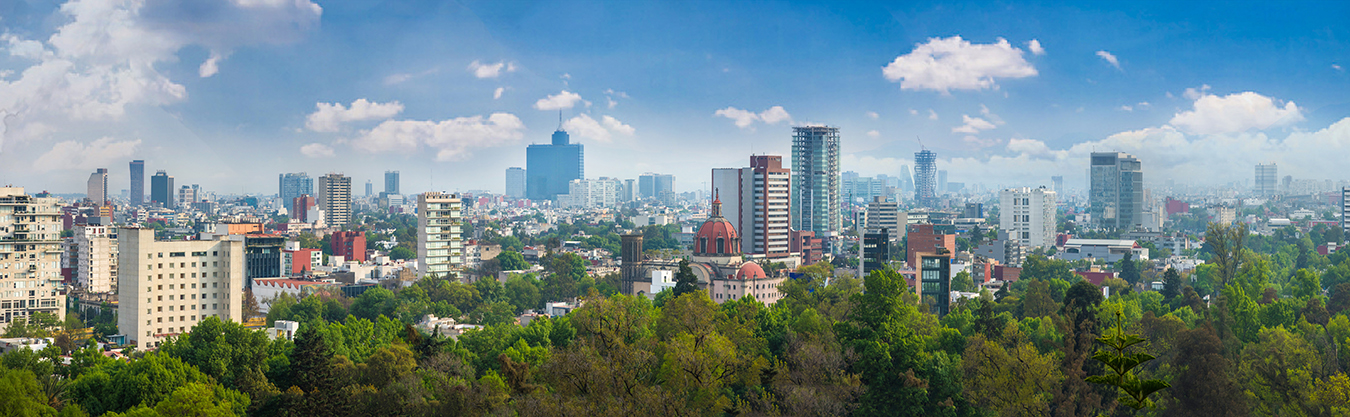
13. Mexico: $2.12 trillion
Employment relations are regulated by the Mexican Constitution of 1917 and the Federal Labor Law, which address work hours, minimum wage, discrimination, workplace health and safety, and unions. All these factors contribute to a lower cost of living, which makes it an attractive hiring destination for foreign employers.
Although the Labor Law is the legal standard for employer activity in Mexico, the country continues to adjust its labor laws to be more accommodating to all businesses, including a digital-based system from the Mexico Labor Department that enables companies to self-report regulatory activities for a more transparent compliance environment.
14. Spain: $2.09 trillion
Spain is the 2nd largest country in the EU by area and the 14th largest economy in the world. Spain’s economy is facilitated by structural reforms, transparent judicial and regulatory systems, and sound economic institutions. Steady modernization has helped the Spanish economy grow continually, with the industry sector contributing over a quarter of the country’s GDP and foreign trade representing well over half of it.
15. South Korea: $1.93 trillion
South Korea was considered a developing country until the 1960s. Due to far-reaching economic reforms (referred to as the Miracle of the Hangang River), the country’s economy entered a period of rapid growth, roughly 10% annually for over 30 years. Today, South Korea’s GDP is approaching $2 trillion, and it is one of the most developed and industrialized countries in the world.
South Korea places great importance on education, innovation, and investment in research and development. The country has a highly skilled workforce earning a high median household income, with services providing the majority of the country’s GDP, followed by industry and agriculture.
International Expansion with Global PEO Services
Are you considering the best countries for international expansion but not sure where to start? Have you wondered if setting up a legal entity or using a PEO would be better for your business? Global PEO Services, a Safeguard Global company, provides support throughout the entire business lifecycle, offering staffing, incorporation, PEO/EOR, accounting, HR, payroll, compliance, and M&A services in 170+ countries. For over two decades, we have supplied public, private, and nonprofit organizations of all sizes with integrated growth solutions.
Our experienced global teams understand the complexities of operating across multiple countries and help our clients effectively navigate the nuances of local laws and regulations in every jurisdiction of operation. The outsourcing services we provide simplify day-to-day operations for our clients so they can free up time and resources to focus on their core competencies. Wherever the GDP rankings move next, we can help you expand into any country on this list and beyond.